

Scaling Biochar Production for CDR: Key Challenges and Solutions
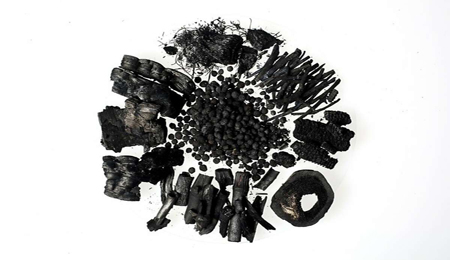
Biochar is a carbon-rich solid material produced by converting biomass through pyrolysis under oxygen-deprived conditions. Its stable carbon structure enables long-term retention in soil for centuries to millennia, achieving permanent carbon dioxide sequestration. This characteristic positions biochar as a key approach in contemporary carbon removal efforts.
Beyond carbon sequestration, biochar delivers agricultural co-benefits such as improved soil structure, enhanced water retention, and increased microbial activity. Consequently, it creates a dual-value system bridging carbon markets and agricultural markets: carbon credit value on one hand, and agricultural gains from soil improvement and yield enhancement on the other. However, scaling biochar production from laboratory and small-scale projects to a large-scale carbon removal industry still faces numerous practical challenges.
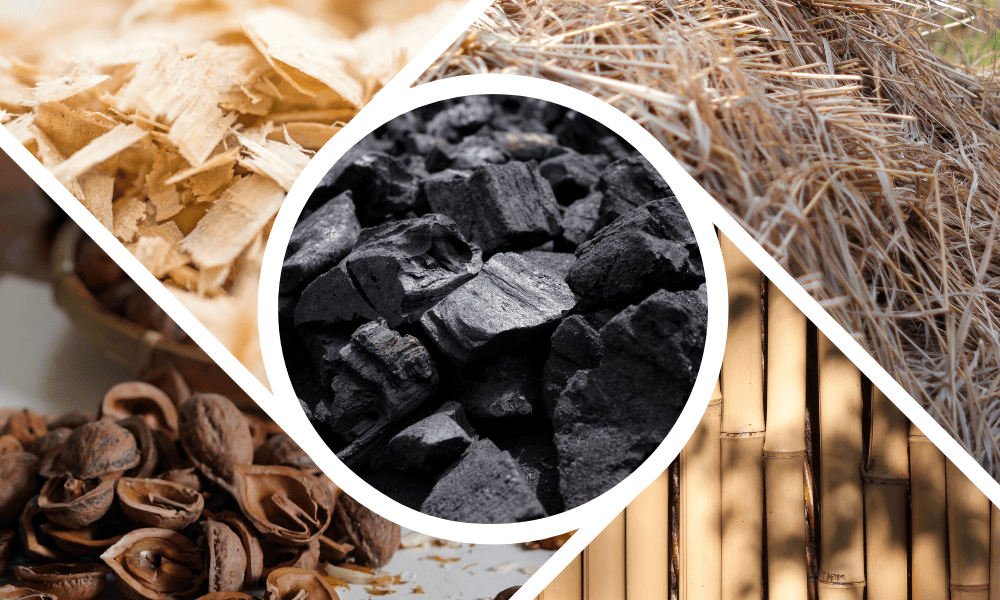
The dispersed nature of feedstock sources also complicates supply chain management. Agricultural residues typically accumulate during harvest seasons, whereas pyrolysis production demands a stable, year-round feedstock supply. Without effective feedstock collection, storage, and logistics systems, production facilities may face shortages, hindering large-scale biochar manufacturing.
Furthermore, resource competition between feedstocks and food crops exists in some regions. Unsustainable feedstock collection can trigger disputes over land use and ecological damage, affecting carbon credit recognition.
First, uneven temperature distribution can lead to inconsistent biochar quality. For instance, localized overheating may reduce carbon structural stability, while insufficient temperatures may prevent complete biomass pyrolysis, affecting carbon content. Second, large-scale pyrolysis equipment may incur significantly higher production costs if it fails to efficiently recover and utilize combustible gases and residual heat generated during the process.
.png)
Furthermore, agricultural cooperation models present a viable pathway. Project developers can establish long-term agreements with farms, where farms supply feedstock and participate in profit-sharing, thereby ensuring supply chain stability and predictability.
Technologically, continuous pyrolysis processes and automated control systems represent key directions for scaling. Continuous equipment boosts production efficiency while minimizing quality fluctuations caused by manual intervention. Simultaneously, sensors and real-time monitoring systems enable precise control over temperature, gas composition, and residence time, ensuring consistent biochar quality.
Thermal energy recovery technology is also a key cost-reduction measure. Combustible gases generated during pyrolysis can power the equipment itself, reducing external energy consumption. Furthermore, excess heat and synthesis gas can be used for drying raw materials and electricity generation, thereby improving the overall energy efficiency of pyrolysis projects.
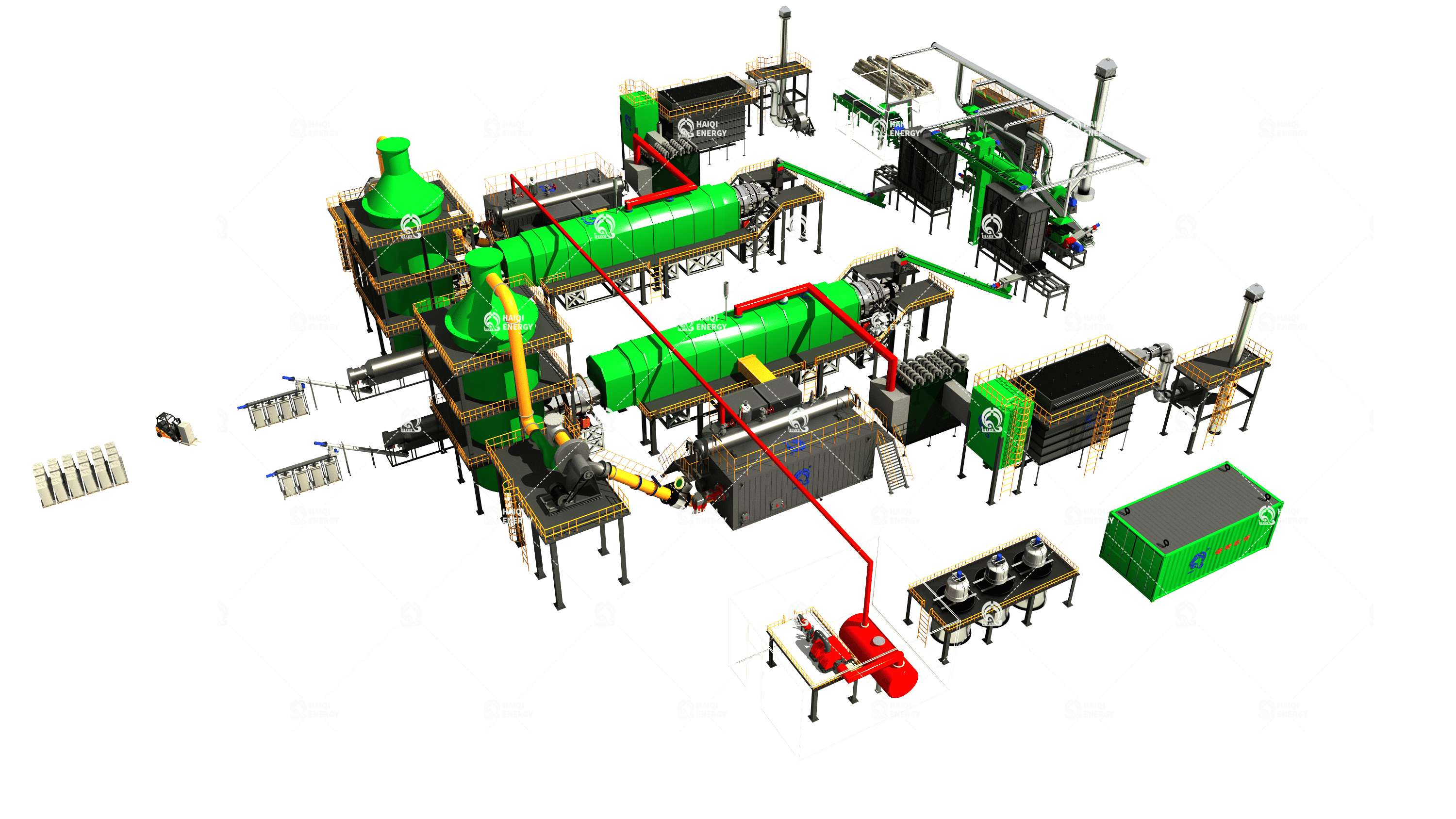
In regional planning, locating production facilities in areas with abundant feedstock and low logistics costs enhances economic viability and shortens supply chains.
Scaling biochar production is a critical pathway for achieving large-scale carbon removal. With the vigorous growth of voluntary carbon markets, biochar will become a vital component of the carbon market in the future. If you are considering joining this carbon removal journey, please do not hesitate to contact us. We are dedicated to developing and delivering large-scale biochar carbon removal project solutions, deploying biochar projects globally. Want to learn more about HaiQi? Contact us to learn our latest biochar production solutions!
Beyond carbon sequestration, biochar delivers agricultural co-benefits such as improved soil structure, enhanced water retention, and increased microbial activity. Consequently, it creates a dual-value system bridging carbon markets and agricultural markets: carbon credit value on one hand, and agricultural gains from soil improvement and yield enhancement on the other. However, scaling biochar production from laboratory and small-scale projects to a large-scale carbon removal industry still faces numerous practical challenges.
Core Challenges in Scaling Biochar Production
Uncertainty in Feedstock Supply
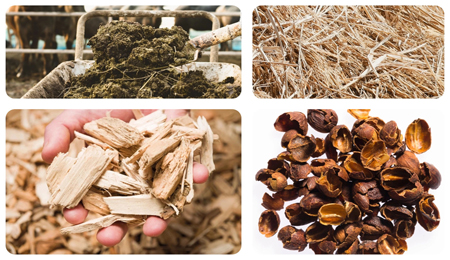
Biochar production relies on diverse biomass feedstocks, including agricultural straw, forestry residues, wood processing waste, and urban landscaping waste. These materials exhibit significant variations in moisture content, ash proportion, and cellulose/lignin levels, directly impacting the final biochar's carbon content and stability. For instance, high-moisture feedstocks require additional drying, increasing energy costs, while excessively high ash content may reduce the carbon sequestration efficiency and application value of the biochar.The dispersed nature of feedstock sources also complicates supply chain management. Agricultural residues typically accumulate during harvest seasons, whereas pyrolysis production demands a stable, year-round feedstock supply. Without effective feedstock collection, storage, and logistics systems, production facilities may face shortages, hindering large-scale biochar manufacturing.
Furthermore, resource competition between feedstocks and food crops exists in some regions. Unsustainable feedstock collection can trigger disputes over land use and ecological damage, affecting carbon credit recognition.
Technical Challenges in Pyrolysis
Pyrolysis is the core process for biochar production, hinging on controlling temperature and residence time under oxygen-deprived conditions to decompose biomass into biochar, pyrolysis gas, and bio-oil. However, achieving process stability and product consistency in large-scale continuous production often presents challenges.First, uneven temperature distribution can lead to inconsistent biochar quality. For instance, localized overheating may reduce carbon structural stability, while insufficient temperatures may prevent complete biomass pyrolysis, affecting carbon content. Second, large-scale pyrolysis equipment may incur significantly higher production costs if it fails to efficiently recover and utilize combustible gases and residual heat generated during the process.
Costs and Financial Feasibility
Biocarbon production costs primarily stem from feedstock collection, drying, pyrolysis energy consumption, equipment depreciation, and exhaust gas treatment. At present, the unit cost of carbon removal remains relatively high. This implies that without external support or a sufficiently developed carbon market, enterprises may face extended investment payback periods, thereby reducing capital participation willingness. Additionally, regional variations in feedstock prices and logistics costs impact economic viability. Regions abundant in agricultural resources benefit from relatively low feedstock costs, whereas areas with dispersed feedstock or long transport distances may see this cost advantage diminished.Immature Carbon Removal Certification Systems
For biochar production to earn carbon credits and enter carbon markets, reliable accounting and certification systems must be established. The core of carbon removal lies in demonstrating the long-term stability and verifiability of carbon sequestration. However, the carbon persistence of biochar in soil is influenced by environmental conditions. Factors such as soil type, climatic conditions, and microbial activity all affect carbon decomposition rates. While some international carbon credit standards exist, such as third-party certified carbon market mechanisms, specialized standards for biochar are still evolving. The lack of unified standards may lead to insufficient recognition of carbon credits, thereby impacting market transactions and investment returns.Solutions to Scaling Biochar Production for Carbon Removal
Establishing Standardized Raw Material Supply Chains
Resolving raw material issues hinges on building stable supply chains and classification standards. Implementing a grading system based on moisture content, ash content, and composition ratios enhances production consistency. Concurrently, establishing regional raw material collection hubs reduces transportation costs and enables large-scale material sourcing.Furthermore, agricultural cooperation models present a viable pathway. Project developers can establish long-term agreements with farms, where farms supply feedstock and participate in profit-sharing, thereby ensuring supply chain stability and predictability.
Advancing Pyrolysis Technology
Scaling up requires not only larger equipment but also enhanced pyrolysis technology and automation levels, including integrated systems for real-time monitoring and thermal energy recovery.Technologically, continuous pyrolysis processes and automated control systems represent key directions for scaling. Continuous equipment boosts production efficiency while minimizing quality fluctuations caused by manual intervention. Simultaneously, sensors and real-time monitoring systems enable precise control over temperature, gas composition, and residence time, ensuring consistent biochar quality.
Thermal energy recovery technology is also a key cost-reduction measure. Combustible gases generated during pyrolysis can power the equipment itself, reducing external energy consumption. Furthermore, excess heat and synthesis gas can be used for drying raw materials and electricity generation, thereby improving the overall energy efficiency of pyrolysis projects.
Optimizing Business Models
Scaled production requires more flexible business models. For instance, enterprises can secure upfront funding through carbon credit pre-sale mechanisms, converting future carbon removal value into present financing instruments. Furthermore, collaborations with agricultural and energy companies help share costs and expand application scenarios.In regional planning, locating production facilities in areas with abundant feedstock and low logistics costs enhances economic viability and shortens supply chains.
Refining Carbon Accounting and Certification Systems
Establishing a credible carbon accounting system is essential for accessing carbon markets. Adopting internationally recognized MRV standards, combined with third-party certification assessments, enhances market acceptance of carbon credits. Simultaneously, utilizing blockchain technology to record feedstock origins and production data improves transparency and tamper-proofing capabilities. As carbon markets evolve, specialized standards for biochar will gradually mature, providing clearer accounting frameworks for carbon removal.Scaling biochar production is a critical pathway for achieving large-scale carbon removal. With the vigorous growth of voluntary carbon markets, biochar will become a vital component of the carbon market in the future. If you are considering joining this carbon removal journey, please do not hesitate to contact us. We are dedicated to developing and delivering large-scale biochar carbon removal project solutions, deploying biochar projects globally. Want to learn more about HaiQi? Contact us to learn our latest biochar production solutions!
RELATED Blog