

Biomass Energy for AI Data Centers: Exploring Its Potential
The rapid development of artificial intelligence is reshaping the global energy demand landscape. With the increasing prevalence of generative AI, large language models, and high-performance computing applications, the scale of data center construction continues to expand, leading to a rapid increase in electricity demand. For data center developers and operators, securing a sufficient, stable, and competitive power supply has become a crucial factor affecting project construction and long-term operation.
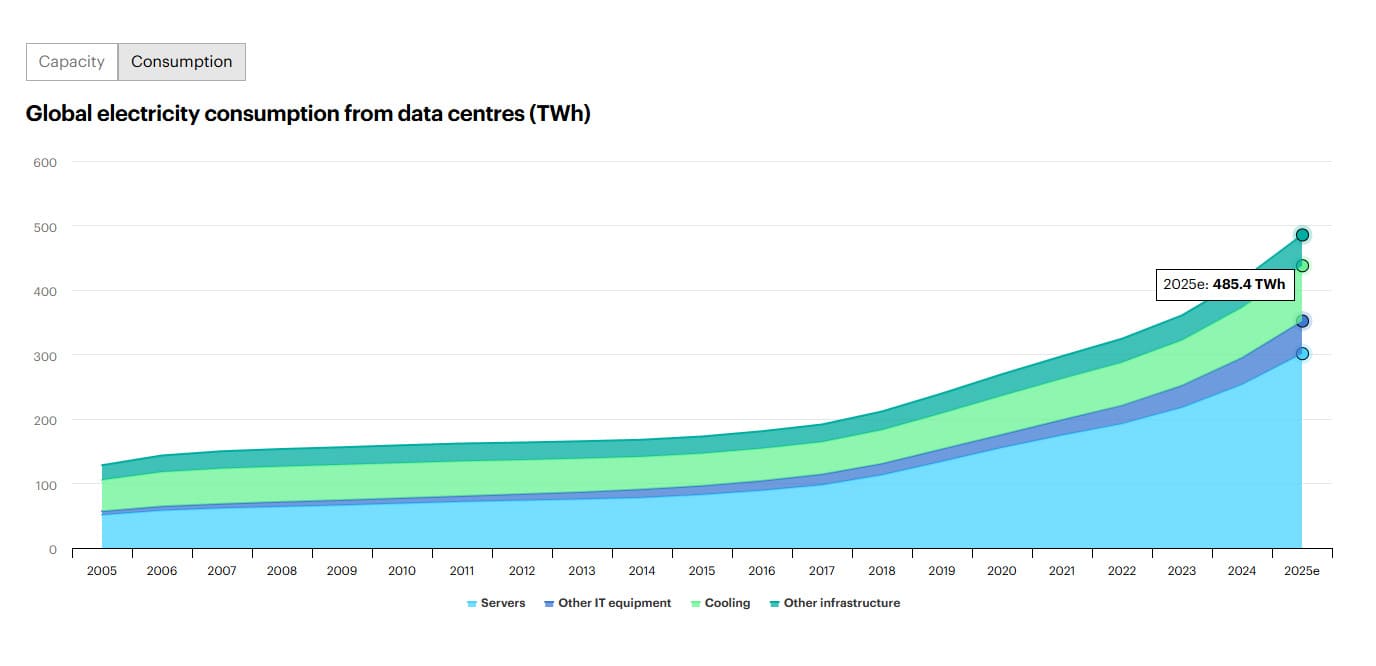
According to data from the International Energy Agency (IEA), global data center electricity consumption reached approximately 415 TWh in 2024, accounting for about 1.5% of total global electricity consumption. In 2025, this figure further increased to 485 TWh, a year-on-year increase of approximately 17%. The IEA's updated forecast for 2026 indicates that global data center electricity consumption is expected to reach approximately 950 TWh by 2030, nearly doubling from 2025. Meanwhile, the electricity demand growth rate for AI data centers is expected to be significantly higher than that of the overall data center industry.
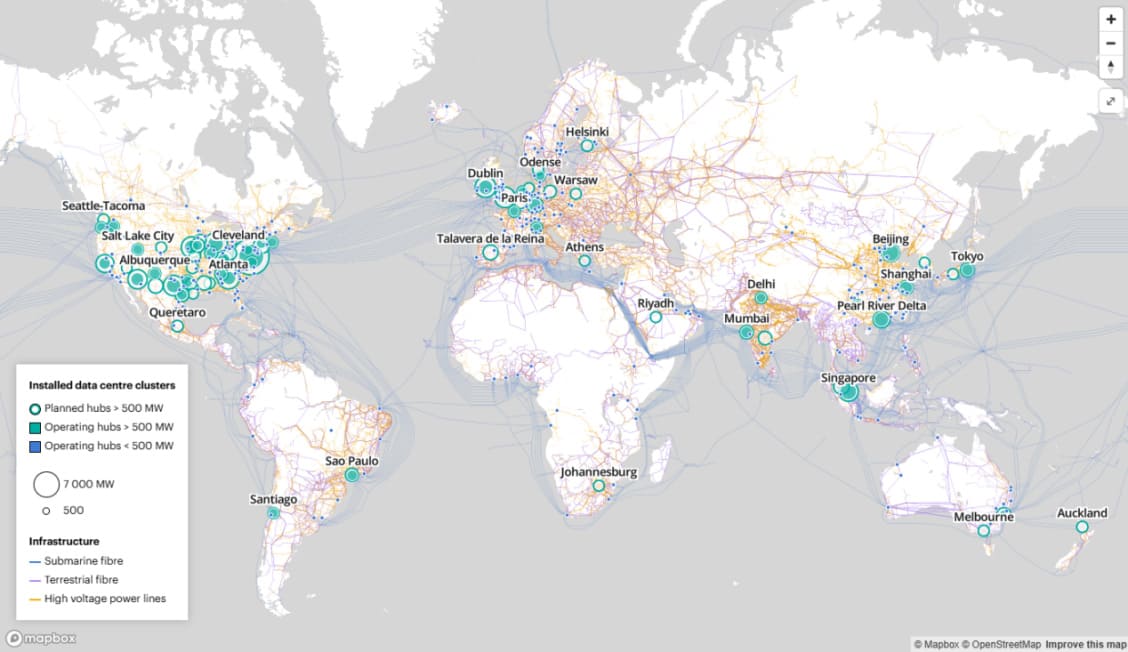
While data centers still account for a relatively limited percentage of electricity consumption globally, their energy demand exhibits a clear geographical concentration. The IEA points out that the United States, China, and Europe are the world's major data center electricity markets, and in the United States, nearly half of the data center capacity is concentrated in five regional clusters. This means that the impact of data centers on the power system is not evenly distributed; in areas with a high concentration of data centers, increased electricity demand can put significant pressure on the local power grid.
At the same time, enterprises' energy requirements are also changing. Besides ensuring continuous power supply, data center operators also need to consider energy costs, power reliability, and the carbon emissions of electricity sources. With the continued growth of AI computing power, how to establish a power system that balances energy supply security and environmental performance is becoming a crucial issue for the data center industry.
Currently, data centers have various energy supply options, including natural gas power generation, nuclear power, solar power, wind power, biomass power generation, and battery storage. Solar and wind power can provide low-carbon electricity and are important pathways for technology companies to achieve their renewable energy procurement goals. However, their power generation is subject to weather and natural conditions, so the actual output does not always match the data center's 24/7 power demand. Energy storage systems can help mitigate some supply and demand fluctuations, but their continuous power supply capacity is still limited by storage capacity and discharge time.
Natural gas power generation boasts relatively mature technology and infrastructure, and can provide a relatively flexible power supply in some regions. However, its fuel still comes from fossil fuels, resulting in corresponding carbon emissions. Nuclear energy offers stable, low-carbon power generation, but project construction involves significant capital investment, approval requirements, and a long development cycle.
Against this backdrop, biomass energy has begun to receive more attention. Unlike wind and solar power, biomass can preserve energy within the fuel itself through the collection and storage of raw materials. Provided there is a stable supply of raw materials and appropriate energy conversion facilities, biomass power generation can be scheduled according to project needs, without being entirely dependent on immediate natural conditions.
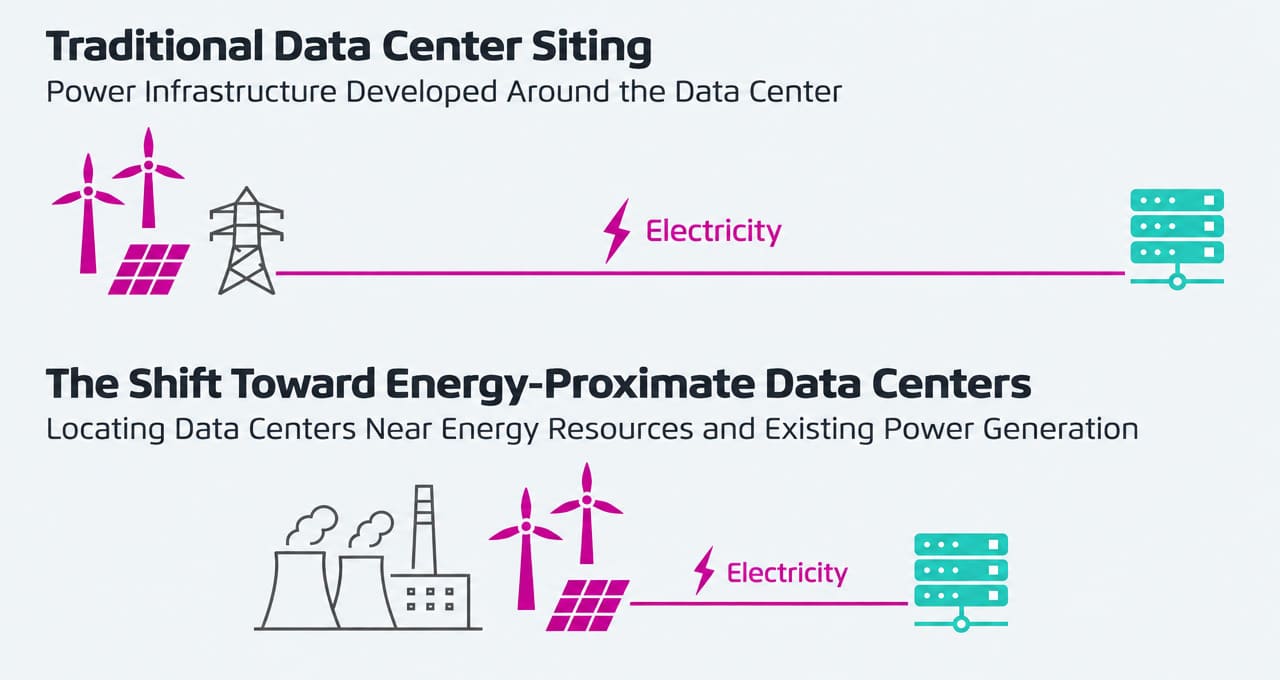
Against this backdrop, new ideas have emerged for the energy layout of data centers: instead of simply relying on the power grid to deliver electricity to data centers, the approach is to locate data centers near energy resources and existing power generation facilities, thereby shortening the energy access chain through local power supply and reducing reliance on grid expansion and long-distance power transmission.
The acquisition of the Buena Vista Biomass Power (BVBP) plant in Iain, California, by New York Green Cloud (NYGC) is a prime example of this model. According to its published information, NYGC plans to convert the existing 18MW biomass power plant into a 41MW energy facility and build an AI computing center on-site. NYGC positions this project as its first large-scale carbon-negative AI factory and plans to continue evaluating other similar conversion projects between 2026 and 2028.
The NYGC case highlights a noteworthy development direction: integrating existing energy infrastructure with AI computing power facilities, and providing localized energy supplies to data centers by modifying existing power generation assets. For regions rich in forestry, agriculture, and organic waste resources, biomass energy also has the potential to participate in this model. By establishing a stable raw material supply system and rationally integrating biomass conversion facilities with data center energy systems, a dispatchable local energy option can be provided for data centers.
Global agricultural and forestry activities generate a large amount of biomass residues each year, including wood chips, bark, forestry residues, rice husks, straw, bagasse, bamboo processing residues, and biomass byproducts from the palm industry. In some regions rich in agricultural and forestry resources, these raw materials have a certain scale of supply.
However, the distribution of biomass resources often does not perfectly align with the layout of traditional power infrastructure. Some regions possess abundant agricultural and forestry resources but may lack sufficient power supply capacity. For these regions, converting local biomass resources into energy could offer new energy development ideas for industrial projects and large data centers.
A key difference between biomass and other forms of energy is its capacity for storage and distribution. With proper collection, pretreatment, and storage, biomass feedstocks can be incorporated into energy conversion systems when needed, unlike solar and wind power which are entirely dependent on weather conditions.
For example, in regions with stable timber processing industries and forestry resources, a raw material supply system can be established around wood chips and forestry residues, which can then be combined with biomass power generation facilities to provide electricity to nearby industrial users or data centers. In regions rich in agricultural resources, energy conversion schemes utilizing resources such as rice husks, straw, and bagasse can be studied based on the local raw material types and supply scale.
This model not only provides data centers with an alternative energy source, but may also give new economic value to previously underutilized biomass resources in the local area.
Biomass pyrolysis is a process in which organic raw materials undergo thermochemical transformation through heating under anaerobic or controlled oxygen conditions. Depending on the characteristics of the raw materials and the process conditions, biomass can form biochar, pyrolysis gas, and condensable organic products during pyrolysis.
The pyrolysis gas contains combustible components and can be used as an energy source after appropriate treatment. In a continuously operating pyrolysis system, a portion of the pyrolysis gas can be treated and returned to the combustion system to provide the heat required for the pyrolysis process, thereby reducing dependence on external fuels.
Further energy utilization can be achieved through system integration based on project requirements.
For projects aiming to apply biomass pyrolysis technology to data center power supply, the key lies in integrating the pyrolysis system with subsequent power generation facilities. Pyrolysis gas can be fed into compliant combustion equipment through appropriate purification and treatment systems, and, depending on the technical configuration, integrated with gas turbine generators or other power generation systems to further convert the energy in biomass into electricity.
If the project also has a demand for heat energy, solutions such as waste heat recovery and combined heat and power (CHP) can be considered to improve the overall energy utilization level.
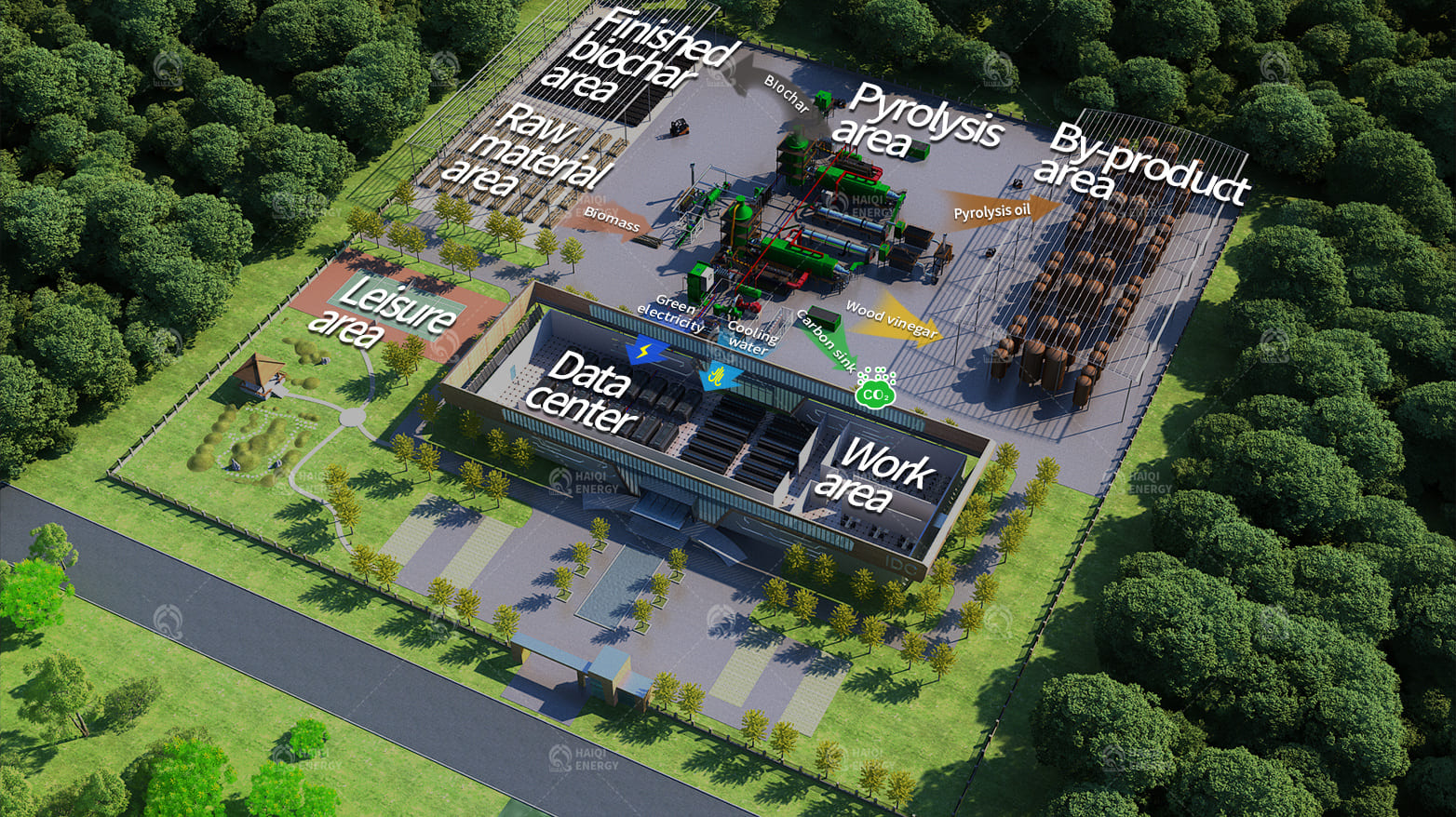
The significance of this technological approach lies in its ability to convert local agricultural and forestry residues into usable energy while producing biochar with potential carbon removal value, providing a technological alternative to traditional direct combustion for the utilization of biomass resources.
For example, in a region with stable biomass resources, biomass power generation facilities can be configured according to the actual load of data centers. This can be combined with solar energy systems to reduce electricity procurement needs during certain periods, and battery energy storage can be used to handle short-term load fluctuations and power quality issues. The public power grid can continue to serve as a supplementary power source and backup support.
In this architecture, different energy facilities perform different functions. Biomass power generation can provide dispatchable electricity, solar energy can supplement the low-carbon power supply, energy storage systems can improve the supply and demand balance, and the power grid provides additional power supply security for the entire system.
For data centers with extremely high requirements for power reliability, this multi-energy configuration can reduce dependence on a single energy source.
Furthermore, a broader resource synergy can be formed between energy facilities and data centers. For example, usable heat energy generated during power generation can be recovered according to the needs of nearby industrial users, and waste heat generated by the data center itself can be supplied to surrounding facilities through appropriate heat recovery systems.
If there are agricultural processing, timber processing or other industrial activities around the project, the synergistic relationship between raw material supply, energy utilization and by-product disposal can be further studied.
This means that future data center projects may no longer be just standalone computing facilities, but will gradually integrate with local energy production and industrial resource systems to form comprehensive energy infrastructure.
For companies that already possess biomass power generation facilities, fuel processing systems, and stable raw material supply chains, this trend also presents new project collaboration opportunities. Existing energy assets can be further evaluated for integration with data center construction, provided that technological, environmental, and grid conditions are met.
Biochar is a carbon-rich solid material formed through the thermochemical conversion of biomass under anaerobic conditions. Under suitable raw material and process conditions, some of the carbon in biomass can be retained in biochar, achieving relatively long-term carbon storage through suitable end-use applications.
This means that biomass energy projects may have carbon removal value in addition to energy utilization.
As more and more technology companies pay attention to the carbon emissions of their own energy supply chains, data center emission reduction strategies are gradually expanding from simply purchasing green electricity to a broader range of carbon management.
For biochar projects that meet the relevant methodological requirements, the monitoring, reporting, and verification (MRV) system can be used to track and account for the source of raw materials, production process, biochar quality, carbon content, and end use. Subject to applicable standards, projects may have the opportunity to obtain corresponding carbon removal certification or carbon credits.
For biomass energy developers, this means that the same resource utilization system may simultaneously produce energy products and biochar with carbon removal potential.
If energy conversion efficiency, raw material traceability, and biochar carbon management requirements can be considered simultaneously during the project design phase, biomass energy projects have the opportunity to develop more diversified business models.
Artificial intelligence is driving a new stage of development for global data centers. As computing demands continue to grow, the link between data center development and energy development is becoming increasingly close. Future project competition may no longer revolve solely around land and networks, but will increasingly depend on who can secure stable energy resources earlier and who can establish a more flexible, reliable, and low-carbon energy supply system.
For regions with abundant biomass resources, this could be a significant opportunity for agricultural and forestry resources to enter the next-generation digital infrastructure industry chain.
According to data from the International Energy Agency (IEA), global data center electricity consumption reached approximately 415 TWh in 2024, accounting for about 1.5% of total global electricity consumption. In 2025, this figure further increased to 485 TWh, a year-on-year increase of approximately 17%. The IEA's updated forecast for 2026 indicates that global data center electricity consumption is expected to reach approximately 950 TWh by 2030, nearly doubling from 2025. Meanwhile, the electricity demand growth rate for AI data centers is expected to be significantly higher than that of the overall data center industry.
Data source: International Energy Agency, Energy and AI Observatory
This growth trend reflects a significant shift: data centers are transforming from traditional digital infrastructure into increasingly important electricity consumers in the global energy market. Large AI data centers, in particular, can have power demands reaching hundreds of megawatts, and some planned large computing facilities will require even higher power capacity.While data centers still account for a relatively limited percentage of electricity consumption globally, their energy demand exhibits a clear geographical concentration. The IEA points out that the United States, China, and Europe are the world's major data center electricity markets, and in the United States, nearly half of the data center capacity is concentrated in five regional clusters. This means that the impact of data centers on the power system is not evenly distributed; in areas with a high concentration of data centers, increased electricity demand can put significant pressure on the local power grid.
At the same time, enterprises' energy requirements are also changing. Besides ensuring continuous power supply, data center operators also need to consider energy costs, power reliability, and the carbon emissions of electricity sources. With the continued growth of AI computing power, how to establish a power system that balances energy supply security and environmental performance is becoming a crucial issue for the data center industry.
From Grid Dependence to a Diversified Energy Mix
Faced with ever-increasing electricity demand, relying solely on the public power grid may not be able to meet the construction and operation requirements of all large data centers. Especially in regions where grid expansion cycles are long, on-site power generation and diversified energy supply are becoming viable solutions.Currently, data centers have various energy supply options, including natural gas power generation, nuclear power, solar power, wind power, biomass power generation, and battery storage. Solar and wind power can provide low-carbon electricity and are important pathways for technology companies to achieve their renewable energy procurement goals. However, their power generation is subject to weather and natural conditions, so the actual output does not always match the data center's 24/7 power demand. Energy storage systems can help mitigate some supply and demand fluctuations, but their continuous power supply capacity is still limited by storage capacity and discharge time.
Natural gas power generation boasts relatively mature technology and infrastructure, and can provide a relatively flexible power supply in some regions. However, its fuel still comes from fossil fuels, resulting in corresponding carbon emissions. Nuclear energy offers stable, low-carbon power generation, but project construction involves significant capital investment, approval requirements, and a long development cycle.
Against this backdrop, biomass energy has begun to receive more attention. Unlike wind and solar power, biomass can preserve energy within the fuel itself through the collection and storage of raw materials. Provided there is a stable supply of raw materials and appropriate energy conversion facilities, biomass power generation can be scheduled according to project needs, without being entirely dependent on immediate natural conditions.
The Shift Toward Locating Data Centers Near Energy Sources
In the past, data center site selection typically prioritized land, network, and water resources, with power supply being a secondary consideration in subsequent planning stages. However, with the rapid growth in electricity demand for AI data centers, power access capacity and power supply cycles are becoming key factors influencing project site selection and construction progress. Consequently, energy conditions have shifted from being a supporting factor to a crucial basis for early decision-making.Against this backdrop, new ideas have emerged for the energy layout of data centers: instead of simply relying on the power grid to deliver electricity to data centers, the approach is to locate data centers near energy resources and existing power generation facilities, thereby shortening the energy access chain through local power supply and reducing reliance on grid expansion and long-distance power transmission.
The NYGC case highlights a noteworthy development direction: integrating existing energy infrastructure with AI computing power facilities, and providing localized energy supplies to data centers by modifying existing power generation assets. For regions rich in forestry, agriculture, and organic waste resources, biomass energy also has the potential to participate in this model. By establishing a stable raw material supply system and rationally integrating biomass conversion facilities with data center energy systems, a dispatchable local energy option can be provided for data centers.
The Potential of Biomass in Data Center Power Supply
The core value of biomass energy lies in converting agricultural, forestry, and other suitable organic resources into usable energy.Global agricultural and forestry activities generate a large amount of biomass residues each year, including wood chips, bark, forestry residues, rice husks, straw, bagasse, bamboo processing residues, and biomass byproducts from the palm industry. In some regions rich in agricultural and forestry resources, these raw materials have a certain scale of supply.
However, the distribution of biomass resources often does not perfectly align with the layout of traditional power infrastructure. Some regions possess abundant agricultural and forestry resources but may lack sufficient power supply capacity. For these regions, converting local biomass resources into energy could offer new energy development ideas for industrial projects and large data centers.
A key difference between biomass and other forms of energy is its capacity for storage and distribution. With proper collection, pretreatment, and storage, biomass feedstocks can be incorporated into energy conversion systems when needed, unlike solar and wind power which are entirely dependent on weather conditions.
For example, in regions with stable timber processing industries and forestry resources, a raw material supply system can be established around wood chips and forestry residues, which can then be combined with biomass power generation facilities to provide electricity to nearby industrial users or data centers. In regions rich in agricultural resources, energy conversion schemes utilizing resources such as rice husks, straw, and bagasse can be studied based on the local raw material types and supply scale.
This model not only provides data centers with an alternative energy source, but may also give new economic value to previously underutilized biomass resources in the local area.
Biomass Pyrolysis: Turning Biomass Residues into Energy
In biomass energy conversion technologies, pyrolysis technology provides another pathway for the utilization of agricultural and forestry biomass resources.Biomass pyrolysis is a process in which organic raw materials undergo thermochemical transformation through heating under anaerobic or controlled oxygen conditions. Depending on the characteristics of the raw materials and the process conditions, biomass can form biochar, pyrolysis gas, and condensable organic products during pyrolysis.
The pyrolysis gas contains combustible components and can be used as an energy source after appropriate treatment. In a continuously operating pyrolysis system, a portion of the pyrolysis gas can be treated and returned to the combustion system to provide the heat required for the pyrolysis process, thereby reducing dependence on external fuels.
Further energy utilization can be achieved through system integration based on project requirements.
For projects aiming to apply biomass pyrolysis technology to data center power supply, the key lies in integrating the pyrolysis system with subsequent power generation facilities. Pyrolysis gas can be fed into compliant combustion equipment through appropriate purification and treatment systems, and, depending on the technical configuration, integrated with gas turbine generators or other power generation systems to further convert the energy in biomass into electricity.
If the project also has a demand for heat energy, solutions such as waste heat recovery and combined heat and power (CHP) can be considered to improve the overall energy utilization level.
The significance of this technological approach lies in its ability to convert local agricultural and forestry residues into usable energy while producing biochar with potential carbon removal value, providing a technological alternative to traditional direct combustion for the utilization of biomass resources.
Integrating Biomass Power into Data Center Energy Systems
A more promising approach to biomass energy in the data center sector may be to integrate it into a comprehensive energy system rather than rely entirely on a single biomass power plant. Such a system can operate alongside the public power grid, solar energy, energy storage, and other power generation facilities.For example, in a region with stable biomass resources, biomass power generation facilities can be configured according to the actual load of data centers. This can be combined with solar energy systems to reduce electricity procurement needs during certain periods, and battery energy storage can be used to handle short-term load fluctuations and power quality issues. The public power grid can continue to serve as a supplementary power source and backup support.
In this architecture, different energy facilities perform different functions. Biomass power generation can provide dispatchable electricity, solar energy can supplement the low-carbon power supply, energy storage systems can improve the supply and demand balance, and the power grid provides additional power supply security for the entire system.
For data centers with extremely high requirements for power reliability, this multi-energy configuration can reduce dependence on a single energy source.
Furthermore, a broader resource synergy can be formed between energy facilities and data centers. For example, usable heat energy generated during power generation can be recovered according to the needs of nearby industrial users, and waste heat generated by the data center itself can be supplied to surrounding facilities through appropriate heat recovery systems.
If there are agricultural processing, timber processing or other industrial activities around the project, the synergistic relationship between raw material supply, energy utilization and by-product disposal can be further studied.
This means that future data center projects may no longer be just standalone computing facilities, but will gradually integrate with local energy production and industrial resource systems to form comprehensive energy infrastructure.
For companies that already possess biomass power generation facilities, fuel processing systems, and stable raw material supply chains, this trend also presents new project collaboration opportunities. Existing energy assets can be further evaluated for integration with data center construction, provided that technological, environmental, and grid conditions are met.
The Added Value of Biomass Energy in Carbon Removal
Compared with traditional biomass power generation, biomass energy has another noteworthy feature: it can simultaneously produce biochar.Biochar is a carbon-rich solid material formed through the thermochemical conversion of biomass under anaerobic conditions. Under suitable raw material and process conditions, some of the carbon in biomass can be retained in biochar, achieving relatively long-term carbon storage through suitable end-use applications.
This means that biomass energy projects may have carbon removal value in addition to energy utilization.
As more and more technology companies pay attention to the carbon emissions of their own energy supply chains, data center emission reduction strategies are gradually expanding from simply purchasing green electricity to a broader range of carbon management.
For biochar projects that meet the relevant methodological requirements, the monitoring, reporting, and verification (MRV) system can be used to track and account for the source of raw materials, production process, biochar quality, carbon content, and end use. Subject to applicable standards, projects may have the opportunity to obtain corresponding carbon removal certification or carbon credits.
For biomass energy developers, this means that the same resource utilization system may simultaneously produce energy products and biochar with carbon removal potential.
If energy conversion efficiency, raw material traceability, and biochar carbon management requirements can be considered simultaneously during the project design phase, biomass energy projects have the opportunity to develop more diversified business models.
Artificial intelligence is driving a new stage of development for global data centers. As computing demands continue to grow, the link between data center development and energy development is becoming increasingly close. Future project competition may no longer revolve solely around land and networks, but will increasingly depend on who can secure stable energy resources earlier and who can establish a more flexible, reliable, and low-carbon energy supply system.
For regions with abundant biomass resources, this could be a significant opportunity for agricultural and forestry resources to enter the next-generation digital infrastructure industry chain.