


What is the Pyrolysis Temperature for Biochar Production?
The biochar production process is often described as a simple one: heating biomass in an oxygen-free environment until it is converted into a stable, carbon-rich, black solid. However, in practical applications, the temperature during pyrolysis has a significant impact on the properties of the resulting biochar, the yield, the composition of the released gases and vapors, and the overall economic viability of the production process.
So, what is the typical pyrolysis temperature for biochar production?
For most traditional biochar production equipment, pyrolysis temperature typically ranges from 350°C to 700°C, with many commercial equipment operating within a range of 450°C to 600°C. In fact, there is no single temperature universally considered “correct.” The appropriate temperature depends on the type of biomass, its moisture content and particle size, the desired characteristics of the biochar, its intended use, and the design of the pyrolysis reactor.
For anyone evaluating biochar production equipment, understanding this temperature range is crucial, as temperature is not merely a technical operating parameter—it is also one of the key factors determining the final product the equipment produces and the efficiency with which biomass is converted into valuable outputs.
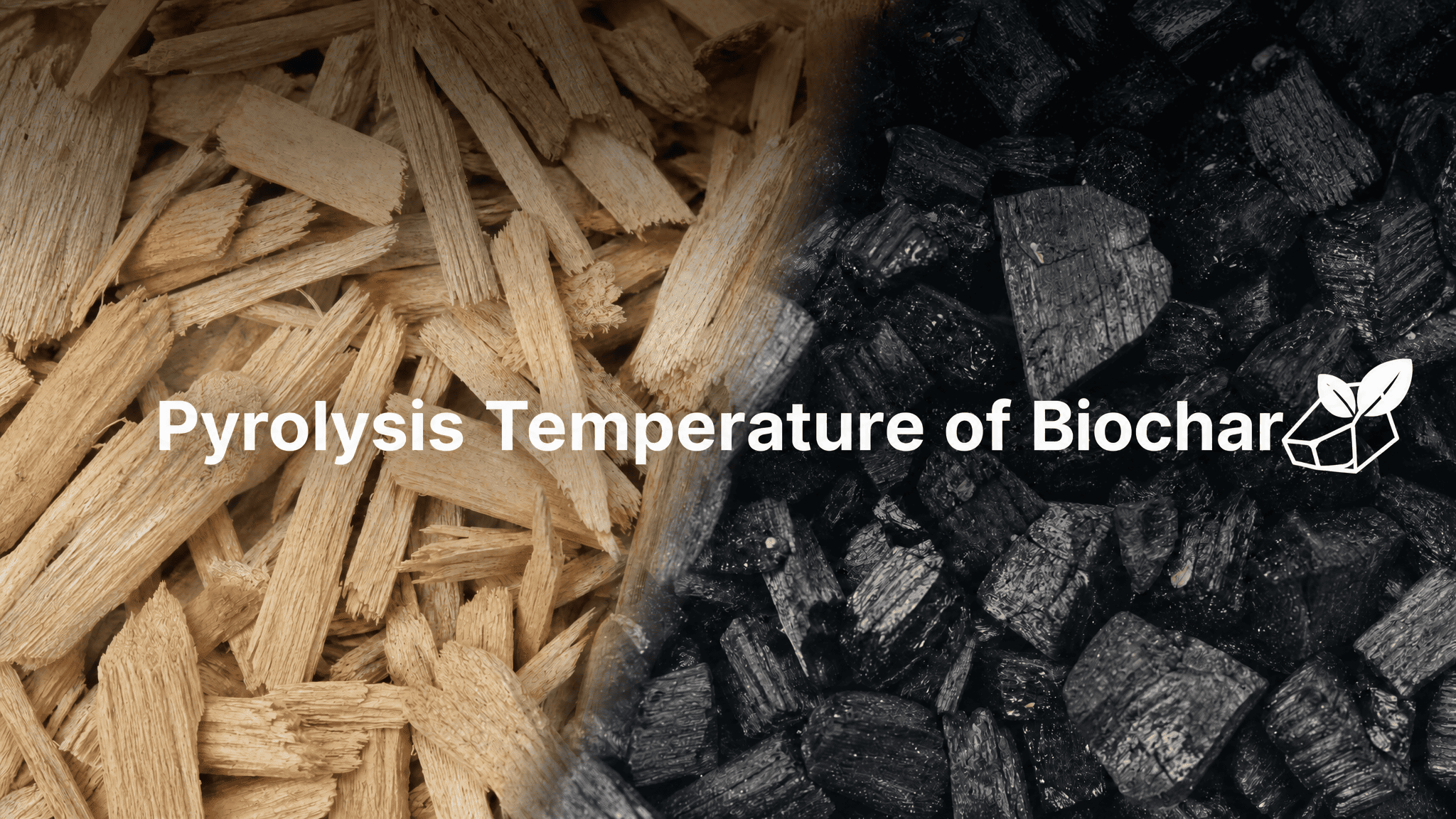
There are no absolute boundaries to the temperature range used in biochar production, as actual pyrolysis depends on heating rates, residence time, feedstock characteristics, reactor design, and other operating conditions. Nevertheless, the following ranges provide a useful general framework.
At temperatures below approximately 300°C, the process primarily consists of drying and the early stages of pyrolysis. Some biomass components begin to degrade, but this temperature range is generally too low to efficiently produce conventional biochar.
Between approximately 300°C and 400°C, pyrolysis begins to occur significantly. Hemicellulose decomposes extensively, while cellulose decomposes at a faster rate. Biochar produced within this temperature range can retain a higher proportion of volatile matter and may exhibit a relatively high mass yield.
Between 400°C and 500°C, carbonization becomes more pronounced. Most volatile compounds are removed, and the solid product becomes increasingly carbon-rich. This temperature range is generally considered appropriate when the goal is to strike a balance between biochar yield and degree of carbonization.
Between approximately 500°C and 600°C, biomass undergoes deeper carbonization. Biochar typically becomes more stable, more aromatic, and contains fewer volatile substances. Commercial biochar production systems typically operate within or near this temperature range, though the specific operating temperature depends on the feedstock and the desired product.
At temperatures above approximately 600°C, further release of volatiles and carbonization occur. The degree of biochar carbonization continues to increase, while the mass yield of solid biochar typically decreases. More biomass carbon and volatiles are converted into gases and vapor.
At even higher temperatures, the process approaches what is commonly referred to as high-temperature pyrolysis, or, depending on process conditions and oxygen supply, it may also resemble gasification. If the primary objective is to maximize biochar yield, such high temperatures are generally unnecessary.
For commercial biochar production, pyrolysis temperatures typically range from 450°C to 600°C, which is a suitable operating range.
This temperature range strikes a good balance between biochar yield, degree of carbonization, energy recovery, and product quality. At around 450°C to 500°C, operators can achieve both a relatively high solid yield and sufficient carbonization. Raising the temperature to 550°C or 600°C typically results in biochar with a higher degree of carbonization, lower volatile matter content, and different surface chemical properties.
For example, producers primarily manufacturing biochar for soil amendment may choose different operating conditions than those specializing in high-carbonized materials for filtration or other specialized applications.
Commercial biochar production facilities must also consider the energy balance of the process. Pyrolysis releases combustible gases and steam. Once the process reaches steady-state operating conditions, these gases can typically be recovered and combusted to provide heat to the reactor. Therefore, the operating temperature affects not only biochar production but also the quantity and composition of the energy-rich gases generated.
Consequently, the optimal temperature is usually not the highest temperature that the pyrolysis reactor can reach, but rather the temperature that allows for the production of the desired product while maintaining both technical and economic efficiency.
Generally speaking, the higher the pyrolysis temperature, the lower the mass yield of biochar.
This is because higher temperatures cause more volatile compounds to be released from the biomass. As these compounds leave the solid phase, the degree of carbonization of the remaining material gradually increases.
Suppose dried biomass feedstock is processed at a relatively low pyrolysis temperature. Since more volatile compounds remain trapped within the charcoal structure, a larger proportion of its original mass is likely to be retained in the form of solid biochar.
If the same biomass is processed at a higher temperature, more volatile substances will be released. The resulting biochar may contain a higher proportion of fixed carbon, but the total amount of remaining solid material will decrease.
This results in a significant difference between biochar yield and carbon concentration.
Although high-temperature processes may produce less biochar by weight, they result in higher carbon concentrations and greater aromatic content. Therefore, simply comparing the weight of biochar produced per metric ton of biomass does not tell the whole story.
This distinction is particularly important for carbon removal projects. The relevant question is not merely how much biochar is produced, but—taking into account the entire production and application process—how much persistent carbon the biochar ultimately contains and how much of that persistent carbon is stored.
As temperature increases, volatile compounds in the solid material are gradually removed, and the relative proportion of carbon in the remaining solid increases accordingly. High-temperature biochar typically exhibits stronger aromaticity, and its carbon structure is more resistant to biodegradation.
However, it is important to note that this does not mean higher temperatures are always better.
Biochar is not a single, standardized material; its value depends on its intended use. Highly carbonized biochar may be suitable for applications requiring high stability and specific surface properties, while low-temperature biochar may retain more functional groups and other characteristics, making it more suitable for soil amendment applications.
For agricultural applications, characteristics such as pH, electrical conductivity, nutrient content, ash content, surface area, porosity, and the presence of potentially harmful compounds are all critical.
Therefore, the goal should be to obtain biochar of a quality suitable for the intended application, rather than simply maximizing the pyrolysis temperature.
The relationship between feedstock properties and temperature is equally important
In fact, when discussing biochar production, the optimal temperature depends largely on the feedstock.
Wood chips, sawdust, rice husks, coconut shells, bamboo, agricultural residues, fruit shells, and other biomass materials have different chemical compositions, ash content, density, moisture content, and pyrolysis characteristics.
For example, woody biomass typically contains a higher proportion of lignin, which can produce carbon-rich biochar with good structural stability. Agricultural waste, on the other hand, may contain higher levels of ash and minerals, which can significantly affect the performance of the final product.
Rice husks are a particularly interesting example due to their relatively high silica content. Consequently, biochar made from rice husks may differ significantly from that made from pure wood in terms of ash and mineral content.
Coconut shells and other hard biomass materials can also produce dense, carbon-rich biochar that, depending on processing conditions, may be suitable for higher-value applications.
Due to these differences, pyrolysis units do not necessarily need to use exactly the same operating temperatures for every type of feedstock.
A well-designed commercial-scale biochar production facility should allow for the adjustment of operating conditions based on the raw material and the desired product.
The Interplay of Temperature and Residence Time
Residence time refers to the duration that biomass or pyrolysis gas remains under specific thermal conditions. Higher temperatures and shorter residence times produce different results than lower temperatures and longer residence times.
Similarly, the heating rate also affects the distribution of products. Rapid heating tends to promote rapid volatilization, while slow heating causes the biomass to undergo different thermal transformation processes.
This is why two pyrolysis units operating at a nominal temperature of 500°C can produce biochar with different characteristics.
The temperature displayed on the control system is only one part of the overall process.
Reactor design is also important. Rotary kilns, screw reactors, screw conveyor systems, moving-bed reactors, and other pyrolysis technologies exhibit different heat transfer characteristics and residence time distributions.
Therefore, in industrial plants, the goal is not merely to reach a specific temperature. The reactor must maintain stable and controllable thermal conditions throughout the entire biomass conversion process.
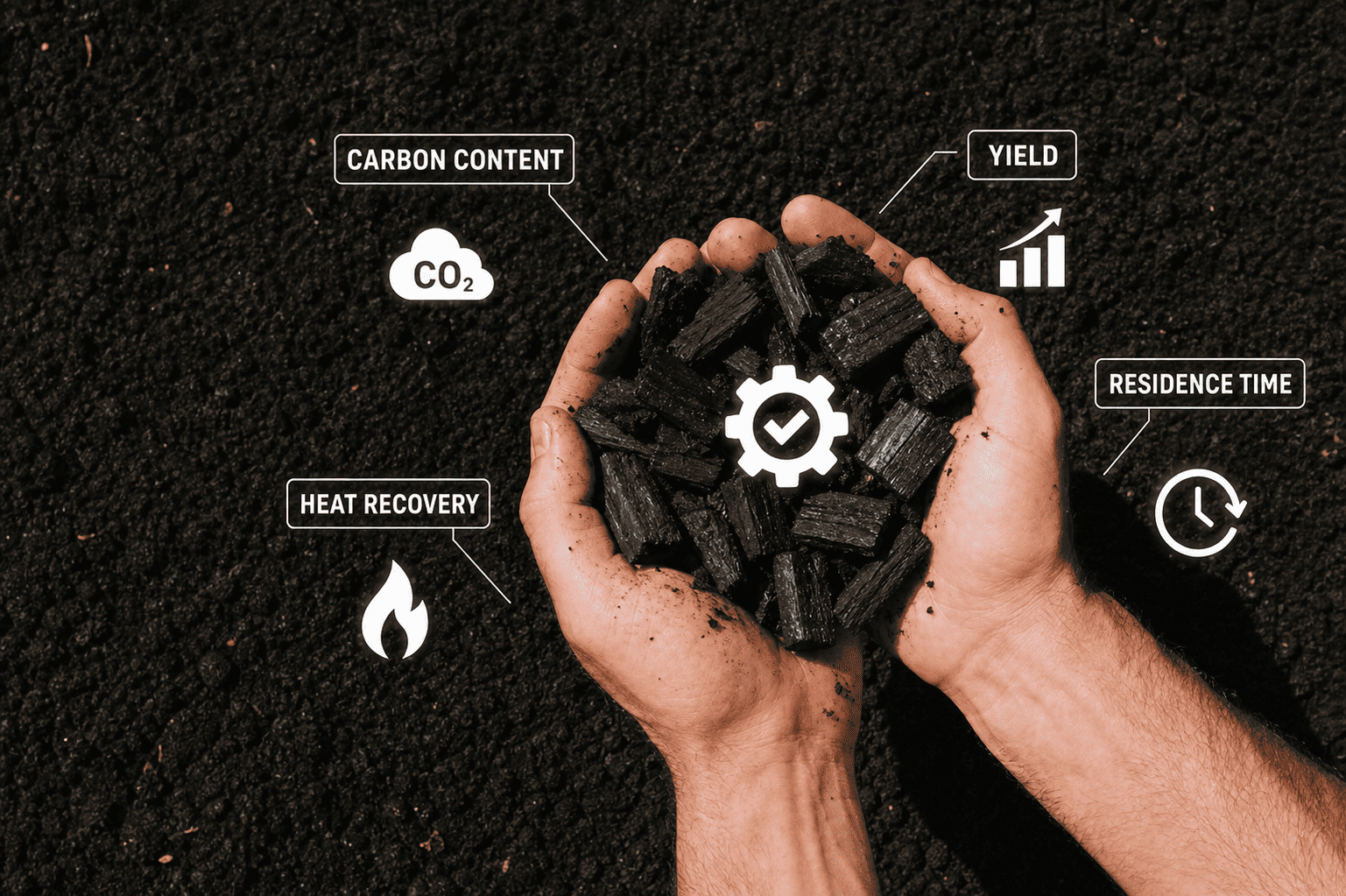
When biochar is produced specifically for carbon removal, the answer becomes more complex. For carbon removal, the goal is not merely to produce biochar. The goal is to convert biomass carbon into a form that can be preserved long-term after biochar production, use, or storage.
Higher pyrolysis temperatures generally increase the degree of carbonization and reduce the proportion of easily degradable volatile compounds. This helps improve carbon stability.
However, calculations for carbon removal involve far more than just reactor temperature.
The amount of carbon stored depends on the source material, biochar yield, carbon content in the biochar, carbon stability, energy consumed by the pyrolysis plant, transportation, processing emissions, and the final destination of the biochar.
Pyrolysis processes at extremely high temperatures may produce highly carbonized biochar, but the yield may be low. In contrast, medium-temperature processes may yield more biochar per metric ton of feedstock while still producing a sufficiently stable product.
Therefore, carbon removal projects should optimize net, permanent carbon removal rather than simply selecting the highest possible pyrolysis temperature. This is also why modern carbon removal methods increasingly require detailed production data. Factors such as temperature, feedstock consumption, biochar yield, energy consumption, emissions, and downstream processing all influence a project's overall carbon emissions accounting.
Temperature sensors can be installed at various locations within the reactor and heating system. The control system can then adjust the heating rate, feed rate, gas recirculation, or other operating parameters to maintain the desired temperature distribution.
This is particularly important for continuous pyrolysis equipment.
Commercial plants may operate for thousands of hours per year, and feedstock conditions can vary over time. Changes in moisture content, particle size, bulk density, and composition all affect the thermal behavior of the reactor.
Therefore, a good control system must do more than simply display temperature. It should also help operators understand and control the relationships between feedstock input, reactor temperature, residence time, gas yield, and energy consumption.
For large-scale biochar production facilities, this operational data is also critical for quality assurance and carbon accounting.
If a project is to generate carbon removal credits, the ability to demonstrate what occurs during the production process is just as important as maintaining a nominal operating temperature.
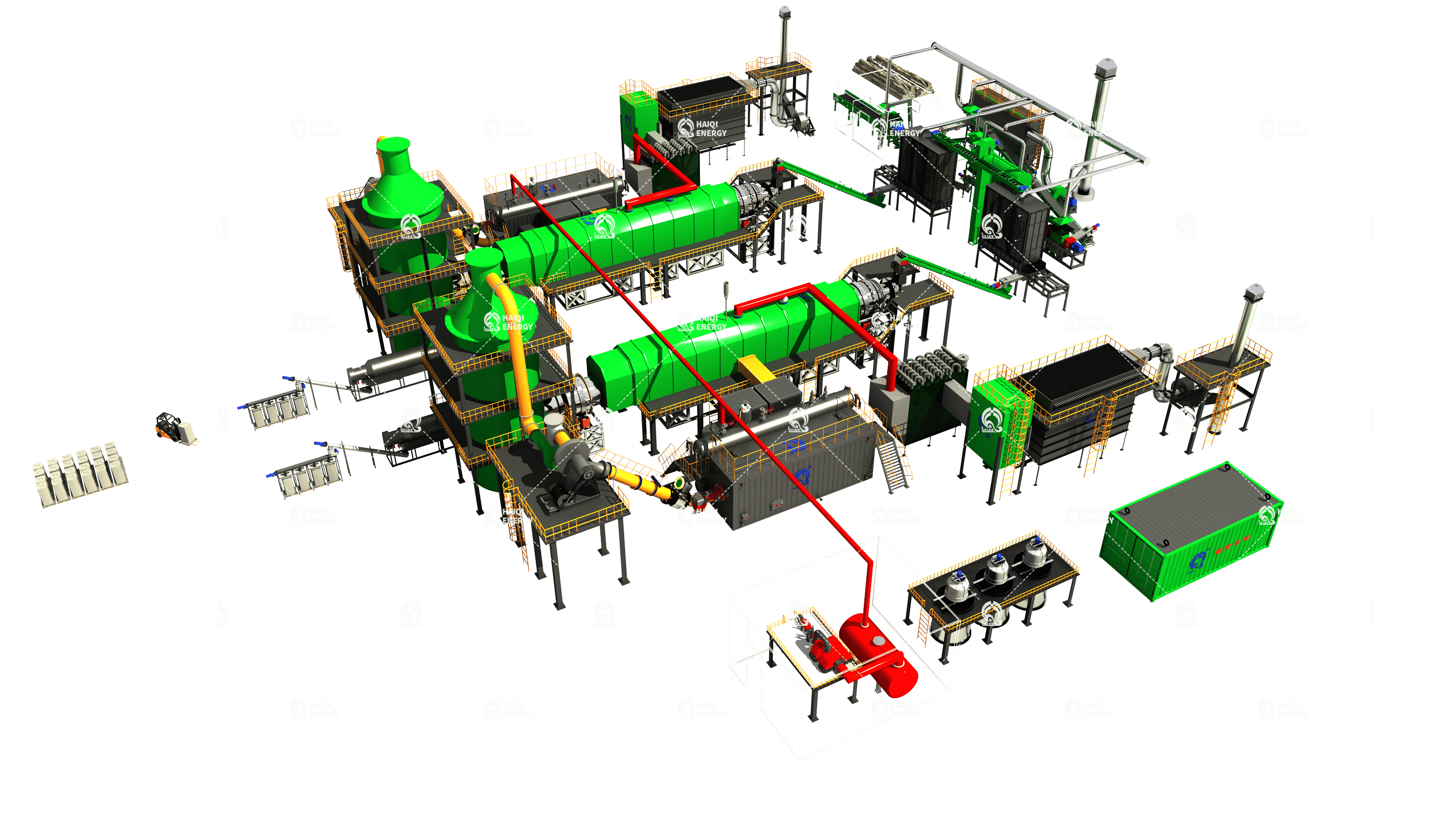
Once the reactor reaches operating temperature, a well-designed system can typically recover and burn these gases, thereby reducing the amount of external fuel required.
Therefore, the thermal efficiency of the system depends on the relationship between the energy required to maintain the pyrolysis temperature and the energy contained in the gases produced by the biomass. This is particularly important for industrial projects. Plants operating at higher temperatures require more energy to maintain reactor conditions, but may also produce combustible gases in varying quantities and compositions. Therefore, an optimal system should strike a balance between biochar quality, biochar yield, energy recovery rate, and operating costs.
This is one of the reasons why pyrolysis equipment should be designed based on the specific feedstock, rather than selected solely based on nominal temperature specifications.
The first consideration is the type of biomass to be processed. The reaction characteristics of wood chips, sawdust, coconut shells, rice husks, bamboo, agricultural residues, and other materials can vary significantly.
The next question is what the project aims to produce. Is the primary goal soil improvement? Carbon sequestration? The production of high-carbon industrial materials? Heating? Power generation? Or a combination of biochar and energy?
The plant configuration should then be designed based on these requirements.
A target temperature range of 450°C to 600°C serves as a practical starting point for biochar production. Within this range, the specific operating temperature can be adjusted based on the feedstock and the desired product characteristics.
For example, if a project focuses on achieving high-carbon biochar with excellent carbon stability, the system might be designed to operate at around 550–600°C. Another project, however, might opt for slightly lower temperatures to increase solid yield and meet different product specifications.
Therefore, for a new biochar project, the best starting point is not to ask, “What is the highest temperature the reactor can reach?” but rather, “For our specific feedstock, what temperature will provide the optimal balance between biochar yield, carbon stability, energy efficiency, and product quality?”The most effective commercial biochar pyrolysis plants are designed to provide controlled and stable operating conditions, rather than simply pursuing the highest temperature. By comprehensively considering feedstock characteristics, product quality, energy recovery rates, and carbon performance, the appropriate pyrolysis temperature can be selected as part of the overall design. Consequently, there is no single, universal pyrolysis temperature that produces the "best” biochar.
So, what is the typical pyrolysis temperature for biochar production?
For most traditional biochar production equipment, pyrolysis temperature typically ranges from 350°C to 700°C, with many commercial equipment operating within a range of 450°C to 600°C. In fact, there is no single temperature universally considered “correct.” The appropriate temperature depends on the type of biomass, its moisture content and particle size, the desired characteristics of the biochar, its intended use, and the design of the pyrolysis reactor.
For anyone evaluating biochar production equipment, understanding this temperature range is crucial, as temperature is not merely a technical operating parameter—it is also one of the key factors determining the final product the equipment produces and the efficiency with which biomass is converted into valuable outputs.
What Happens at Different Pyrolysis Temperatures?
There are no absolute boundaries to the temperature range used in biochar production, as actual pyrolysis depends on heating rates, residence time, feedstock characteristics, reactor design, and other operating conditions. Nevertheless, the following ranges provide a useful general framework.At temperatures below approximately 300°C, the process primarily consists of drying and the early stages of pyrolysis. Some biomass components begin to degrade, but this temperature range is generally too low to efficiently produce conventional biochar.
Between approximately 300°C and 400°C, pyrolysis begins to occur significantly. Hemicellulose decomposes extensively, while cellulose decomposes at a faster rate. Biochar produced within this temperature range can retain a higher proportion of volatile matter and may exhibit a relatively high mass yield.
Between 400°C and 500°C, carbonization becomes more pronounced. Most volatile compounds are removed, and the solid product becomes increasingly carbon-rich. This temperature range is generally considered appropriate when the goal is to strike a balance between biochar yield and degree of carbonization.
Between approximately 500°C and 600°C, biomass undergoes deeper carbonization. Biochar typically becomes more stable, more aromatic, and contains fewer volatile substances. Commercial biochar production systems typically operate within or near this temperature range, though the specific operating temperature depends on the feedstock and the desired product.
At temperatures above approximately 600°C, further release of volatiles and carbonization occur. The degree of biochar carbonization continues to increase, while the mass yield of solid biochar typically decreases. More biomass carbon and volatiles are converted into gases and vapor.
At even higher temperatures, the process approaches what is commonly referred to as high-temperature pyrolysis, or, depending on process conditions and oxygen supply, it may also resemble gasification. If the primary objective is to maximize biochar yield, such high temperatures are generally unnecessary.
| Pyrolysis Temperature | Carbonization Level | Biochar Characteristics |
| 300–400°C | Mild pyrolysis | Higher volatile matter, higher biochar yield |
| 400–500°C | Moderate carbonization | Balanced biochar yield and carbonization |
| 500–600°C | Deep carbonization | More stable biochar, higher carbonization degree |
| 600–700°C | Advanced carbonization | Lower solid yield, more biomass converted into gas |
450°C to 600°C: Common Operating Temperature Range for Commercial Biochar Production
For commercial biochar production, pyrolysis temperatures typically range from 450°C to 600°C, which is a suitable operating range.
This temperature range strikes a good balance between biochar yield, degree of carbonization, energy recovery, and product quality. At around 450°C to 500°C, operators can achieve both a relatively high solid yield and sufficient carbonization. Raising the temperature to 550°C or 600°C typically results in biochar with a higher degree of carbonization, lower volatile matter content, and different surface chemical properties.
For example, producers primarily manufacturing biochar for soil amendment may choose different operating conditions than those specializing in high-carbonized materials for filtration or other specialized applications.
Commercial biochar production facilities must also consider the energy balance of the process. Pyrolysis releases combustible gases and steam. Once the process reaches steady-state operating conditions, these gases can typically be recovered and combusted to provide heat to the reactor. Therefore, the operating temperature affects not only biochar production but also the quantity and composition of the energy-rich gases generated.
Consequently, the optimal temperature is usually not the highest temperature that the pyrolysis reactor can reach, but rather the temperature that allows for the production of the desired product while maintaining both technical and economic efficiency.
How Does Temperature Affect Biochar Yield?
Generally speaking, the higher the pyrolysis temperature, the lower the mass yield of biochar.
This is because higher temperatures cause more volatile compounds to be released from the biomass. As these compounds leave the solid phase, the degree of carbonization of the remaining material gradually increases.
Suppose dried biomass feedstock is processed at a relatively low pyrolysis temperature. Since more volatile compounds remain trapped within the charcoal structure, a larger proportion of its original mass is likely to be retained in the form of solid biochar.
If the same biomass is processed at a higher temperature, more volatile substances will be released. The resulting biochar may contain a higher proportion of fixed carbon, but the total amount of remaining solid material will decrease.
This results in a significant difference between biochar yield and carbon concentration.
Although high-temperature processes may produce less biochar by weight, they result in higher carbon concentrations and greater aromatic content. Therefore, simply comparing the weight of biochar produced per metric ton of biomass does not tell the whole story.
This distinction is particularly important for carbon removal projects. The relevant question is not merely how much biochar is produced, but—taking into account the entire production and application process—how much persistent carbon the biochar ultimately contains and how much of that persistent carbon is stored.
How Does Temperature Affect the Carbon Content of Biochar?
As temperature increases, volatile compounds in the solid material are gradually removed, and the relative proportion of carbon in the remaining solid increases accordingly. High-temperature biochar typically exhibits stronger aromaticity, and its carbon structure is more resistant to biodegradation.
However, it is important to note that this does not mean higher temperatures are always better.
Biochar is not a single, standardized material; its value depends on its intended use. Highly carbonized biochar may be suitable for applications requiring high stability and specific surface properties, while low-temperature biochar may retain more functional groups and other characteristics, making it more suitable for soil amendment applications.
For agricultural applications, characteristics such as pH, electrical conductivity, nutrient content, ash content, surface area, porosity, and the presence of potentially harmful compounds are all critical.
Therefore, the goal should be to obtain biochar of a quality suitable for the intended application, rather than simply maximizing the pyrolysis temperature.
The relationship between feedstock properties and temperature is equally important
In fact, when discussing biochar production, the optimal temperature depends largely on the feedstock.
Wood chips, sawdust, rice husks, coconut shells, bamboo, agricultural residues, fruit shells, and other biomass materials have different chemical compositions, ash content, density, moisture content, and pyrolysis characteristics.
For example, woody biomass typically contains a higher proportion of lignin, which can produce carbon-rich biochar with good structural stability. Agricultural waste, on the other hand, may contain higher levels of ash and minerals, which can significantly affect the performance of the final product.
Rice husks are a particularly interesting example due to their relatively high silica content. Consequently, biochar made from rice husks may differ significantly from that made from pure wood in terms of ash and mineral content.
Coconut shells and other hard biomass materials can also produce dense, carbon-rich biochar that, depending on processing conditions, may be suitable for higher-value applications.
Due to these differences, pyrolysis units do not necessarily need to use exactly the same operating temperatures for every type of feedstock.
A well-designed commercial-scale biochar production facility should allow for the adjustment of operating conditions based on the raw material and the desired product.
The Interplay of Temperature and Residence Time
Residence time refers to the duration that biomass or pyrolysis gas remains under specific thermal conditions. Higher temperatures and shorter residence times produce different results than lower temperatures and longer residence times.
Similarly, the heating rate also affects the distribution of products. Rapid heating tends to promote rapid volatilization, while slow heating causes the biomass to undergo different thermal transformation processes.
This is why two pyrolysis units operating at a nominal temperature of 500°C can produce biochar with different characteristics.
The temperature displayed on the control system is only one part of the overall process.
Reactor design is also important. Rotary kilns, screw reactors, screw conveyor systems, moving-bed reactors, and other pyrolysis technologies exhibit different heat transfer characteristics and residence time distributions.
Therefore, in industrial plants, the goal is not merely to reach a specific temperature. The reactor must maintain stable and controllable thermal conditions throughout the entire biomass conversion process.
What is the optimal temperature for carbon removal using biochar?
When biochar is produced specifically for carbon removal, the answer becomes more complex. For carbon removal, the goal is not merely to produce biochar. The goal is to convert biomass carbon into a form that can be preserved long-term after biochar production, use, or storage.
Higher pyrolysis temperatures generally increase the degree of carbonization and reduce the proportion of easily degradable volatile compounds. This helps improve carbon stability.
However, calculations for carbon removal involve far more than just reactor temperature.
The amount of carbon stored depends on the source material, biochar yield, carbon content in the biochar, carbon stability, energy consumed by the pyrolysis plant, transportation, processing emissions, and the final destination of the biochar.
Pyrolysis processes at extremely high temperatures may produce highly carbonized biochar, but the yield may be low. In contrast, medium-temperature processes may yield more biochar per metric ton of feedstock while still producing a sufficiently stable product.
Therefore, carbon removal projects should optimize net, permanent carbon removal rather than simply selecting the highest possible pyrolysis temperature. This is also why modern carbon removal methods increasingly require detailed production data. Factors such as temperature, feedstock consumption, biochar yield, energy consumption, emissions, and downstream processing all influence a project's overall carbon emissions accounting.
How Commercial Biochar Plants Control Temperature
Modern commercial pyrolysis units typically employ automated temperature monitoring and control systems to maintain stable operating conditions.Temperature sensors can be installed at various locations within the reactor and heating system. The control system can then adjust the heating rate, feed rate, gas recirculation, or other operating parameters to maintain the desired temperature distribution.
This is particularly important for continuous pyrolysis equipment.
Commercial plants may operate for thousands of hours per year, and feedstock conditions can vary over time. Changes in moisture content, particle size, bulk density, and composition all affect the thermal behavior of the reactor.
Therefore, a good control system must do more than simply display temperature. It should also help operators understand and control the relationships between feedstock input, reactor temperature, residence time, gas yield, and energy consumption.
For large-scale biochar production facilities, this operational data is also critical for quality assurance and carbon accounting.
If a project is to generate carbon removal credits, the ability to demonstrate what occurs during the production process is just as important as maintaining a nominal operating temperature.
The Role of Heat Recovery and Syngas
Another reason temperature selection is important is energy recovery. During pyrolysis, biomass produces gases and condensable steam. Some of the non-condensable gases are flammable and can be used to provide heat for the pyrolysis process.Once the reactor reaches operating temperature, a well-designed system can typically recover and burn these gases, thereby reducing the amount of external fuel required.
Therefore, the thermal efficiency of the system depends on the relationship between the energy required to maintain the pyrolysis temperature and the energy contained in the gases produced by the biomass. This is particularly important for industrial projects. Plants operating at higher temperatures require more energy to maintain reactor conditions, but may also produce combustible gases in varying quantities and compositions. Therefore, an optimal system should strike a balance between biochar quality, biochar yield, energy recovery rate, and operating costs.
This is one of the reasons why pyrolysis equipment should be designed based on the specific feedstock, rather than selected solely based on nominal temperature specifications.
How do you choose the right pyrolysis temperature for your biochar project?
For anyone planning to launch a commercial biochar project, the choice of pyrolysis temperature should be made after understanding the raw materials and business objectives.The first consideration is the type of biomass to be processed. The reaction characteristics of wood chips, sawdust, coconut shells, rice husks, bamboo, agricultural residues, and other materials can vary significantly.
The next question is what the project aims to produce. Is the primary goal soil improvement? Carbon sequestration? The production of high-carbon industrial materials? Heating? Power generation? Or a combination of biochar and energy?
The plant configuration should then be designed based on these requirements.
A target temperature range of 450°C to 600°C serves as a practical starting point for biochar production. Within this range, the specific operating temperature can be adjusted based on the feedstock and the desired product characteristics.
For example, if a project focuses on achieving high-carbon biochar with excellent carbon stability, the system might be designed to operate at around 550–600°C. Another project, however, might opt for slightly lower temperatures to increase solid yield and meet different product specifications.
Therefore, for a new biochar project, the best starting point is not to ask, “What is the highest temperature the reactor can reach?” but rather, “For our specific feedstock, what temperature will provide the optimal balance between biochar yield, carbon stability, energy efficiency, and product quality?”The most effective commercial biochar pyrolysis plants are designed to provide controlled and stable operating conditions, rather than simply pursuing the highest temperature. By comprehensively considering feedstock characteristics, product quality, energy recovery rates, and carbon performance, the appropriate pyrolysis temperature can be selected as part of the overall design. Consequently, there is no single, universal pyrolysis temperature that produces the "best” biochar.
.jpg)
.png)